
Wildlife You Can See on a Uganda Safari
Uganda packs an unusual range of habitats into a small area, from rainforest and mountains to savannah, wetlands and lakes, and its wildlife is just as varied. Few countries offer such a mix of primates, big game and birds within a week or two of travel, and it is one of the reasons Winston Churchill called it the Pearl of Africa. This guide explains what you can see on a Uganda safari, where to find each species and how to plan your route around them.
Primates: Uganda's headline act
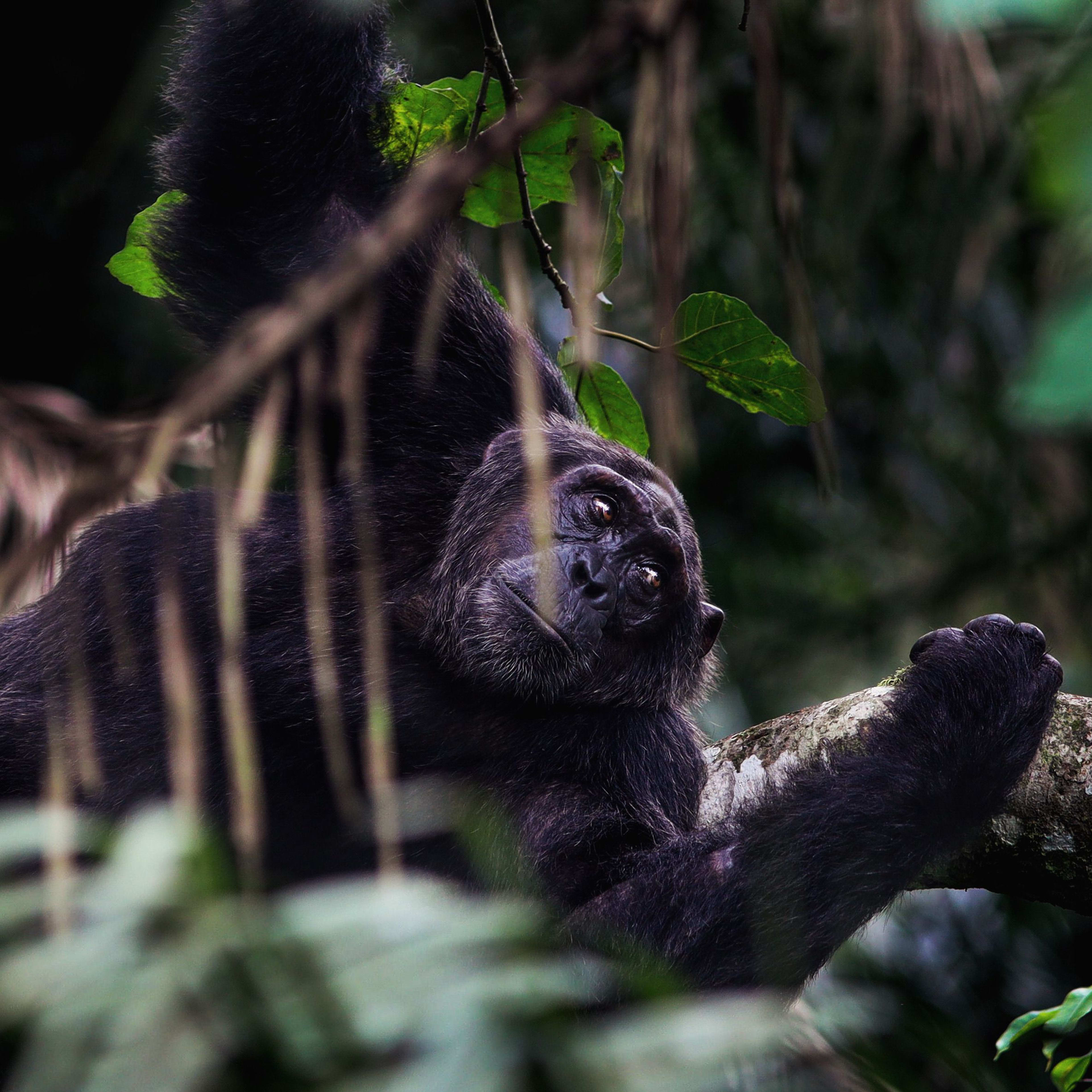
Roughly half of the world's remaining mountain gorillas live in Uganda's forests, in Bwindi Impenetrable National Park and Mgahinga Gorilla National Park. Chimpanzees can be tracked in Kibale, Kyambura Gorge and the Budongo Forest, and golden monkeys, red colobus, blue monkeys, black-and-white colobus and olive baboons add to the primate list. Our primate trekking guide explains permits, rules and how to combine the experiences.
Big game: lions, elephants and buffalo
The savannah parks deliver classic safari scenes.
- Elephants: large herds in Queen Elizabeth and Murchison Falls, often seen at the water's edge in the dry season.
- Lions: present in Queen Elizabeth, Murchison Falls and Kidepo Valley. The Ishasha sector of Queen Elizabeth is famous for tree-climbing lions that rest in fig trees during the day. Sightings are never guaranteed, but they are a regular highlight.
- Leopards: elusive and mostly nocturnal, most often seen in Queen Elizabeth and Murchison Falls by lucky visitors on night drives where available.
- African buffalo: plentiful in the savannah parks, in herds that can number in the hundreds.
Hippos, crocodiles and boat safaris
Boat cruises are among the best wildlife experiences in Uganda, because they put you at eye level with the animals and allow close, quiet approaches. The Kazinga Channel in Queen Elizabeth holds one of the densest concentrations of hippos in Africa, along with Nile crocodiles, buffalo, elephants and countless birds on the banks. The Nile at Murchison Falls offers a similar spectacle on the way to the base of the falls. Both are included in most itineraries, such as our 4 day Murchison Falls safari.
Giraffes, zebras and antelope
Murchison Falls is the best place to see Rothschild's giraffe, a highly threatened giraffe subspecies, and giraffes also live in Lake Mburo and Kidepo Valley. Lake Mburo National Park is the place to see zebras, impala, eland, topi and warthogs on foot or horseback. Uganda kob, the antelope on the country's coat of arms, are everywhere in Queen Elizabeth and Murchison, and waterbuck, bushbuck, oribi and hartebeest also occur.
Rhinos at Ziwa
There are no wild rhinos in Uganda's national parks today, but the Ziwa Rhino Sanctuary near Nakasongola, on the road to Murchison Falls, has southern white rhinos and offers walking tracking. It is an easy stop on the way north.
Birds
Uganda has more than 1,000 bird species, including the rare shoebill, which is regularly seen at Mabamba Swamp near Entebbe and in the Nile delta at Murchison Falls. Albertine Rift endemics in Bwindi, the African green broadbill, great blue turacos, African fish eagles and pelicans make the list. Read our guide to birdwatching in Uganda for a detailed breakdown.
Smaller creatures worth looking for
Not every highlight is big. Uganda has hundreds of butterfly species, especially in Bwindi, Kibale and the Semuliki forests, along with chameleons, tortoises, monitor lizards and colourful agama lizards sunning themselves on rocks and lodge walls. Night walks and night drives, offered in places such as Lake Mburo, reveal bushbabies, genets, civets and porcupines. Guided forest walks often turn up fascinating details, such as driver ants, giant snails and medicinal plants, and a good guide makes these as memorable as any big animal.
Responsible wildlife viewing
Wildlife tourism pays for protection, and the way you behave matters. Keep to the paths and the park rules, stay in the vehicle on game drives unless your guide says otherwise, keep your voice down and never feed animals. Choose operators who respect distances and avoid crowding sightings, and support community-run activities where income stays local. Uganda's conservation success, including the recovery of the mountain gorilla population, depends on visitors, rangers and neighbouring communities all benefiting from protected areas.
Where to see what: a quick guide
- Gorillas: Bwindi and Mgahinga.
- Chimpanzees: Kibale, Kyambura Gorge, Budongo and Ngamba Island.
- Tree-climbing lions: Ishasha in Queen Elizabeth.
- Elephants and giraffes: Murchison Falls and Queen Elizabeth.
- Zebras and impala: Lake Mburo.
- Shoebills: Mabamba Swamp and the Nile delta.
- Hippos: the Kazinga Channel and the Nile.
Tips for spotting more wildlife
- Go early and late. Animals are most active at dawn and dusk, so game drives start early and end before dark.
- Bring binoculars. They transform your viewing and help you identify smaller species.
- Be patient. Stopping and waiting at a waterhole or a tree often rewards you more than driving on.
- Listen to your guide. Experienced guides read behaviour, tracks and alarm calls.
- Visit in the dry season. Wildlife concentrates near water, which makes it easier to find. Our seasons guide explains when.
- Stay long enough. At least two nights in each park lets you do both game drives and a boat cruise.
Choosing parks and routes
Park information and visitor fees are published by the Uganda Wildlife Authority. If you can only choose one savannah park, read Murchison Falls or Queen Elizabeth: which park?. A popular western circuit combines Kibale for chimps, Queen Elizabeth for game and Bwindi for gorillas. See our wildlife and game drive safaris and family safaris for ready-made routes.