
Where to go
Destinations
All destinations
Kampala and Entebbe
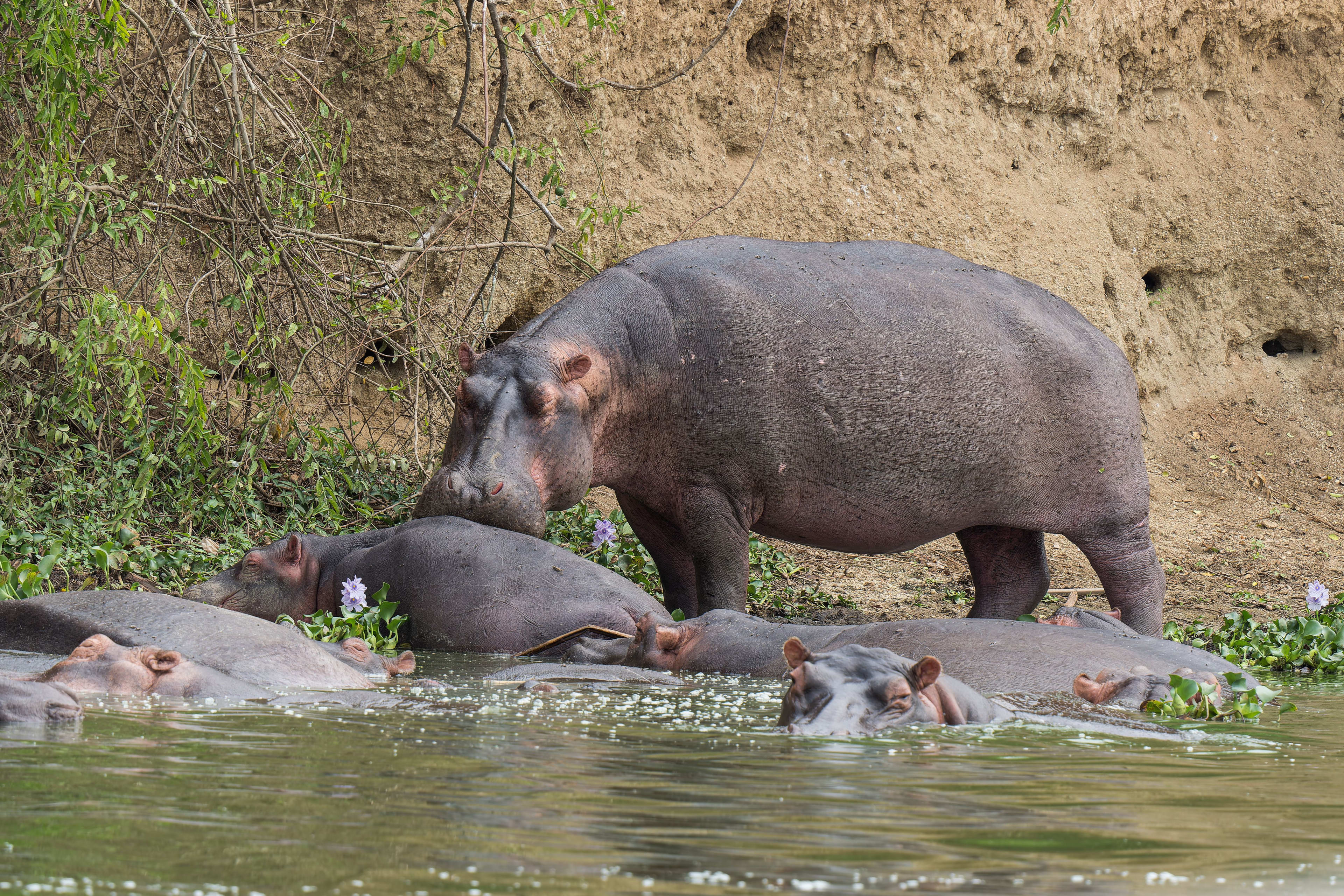
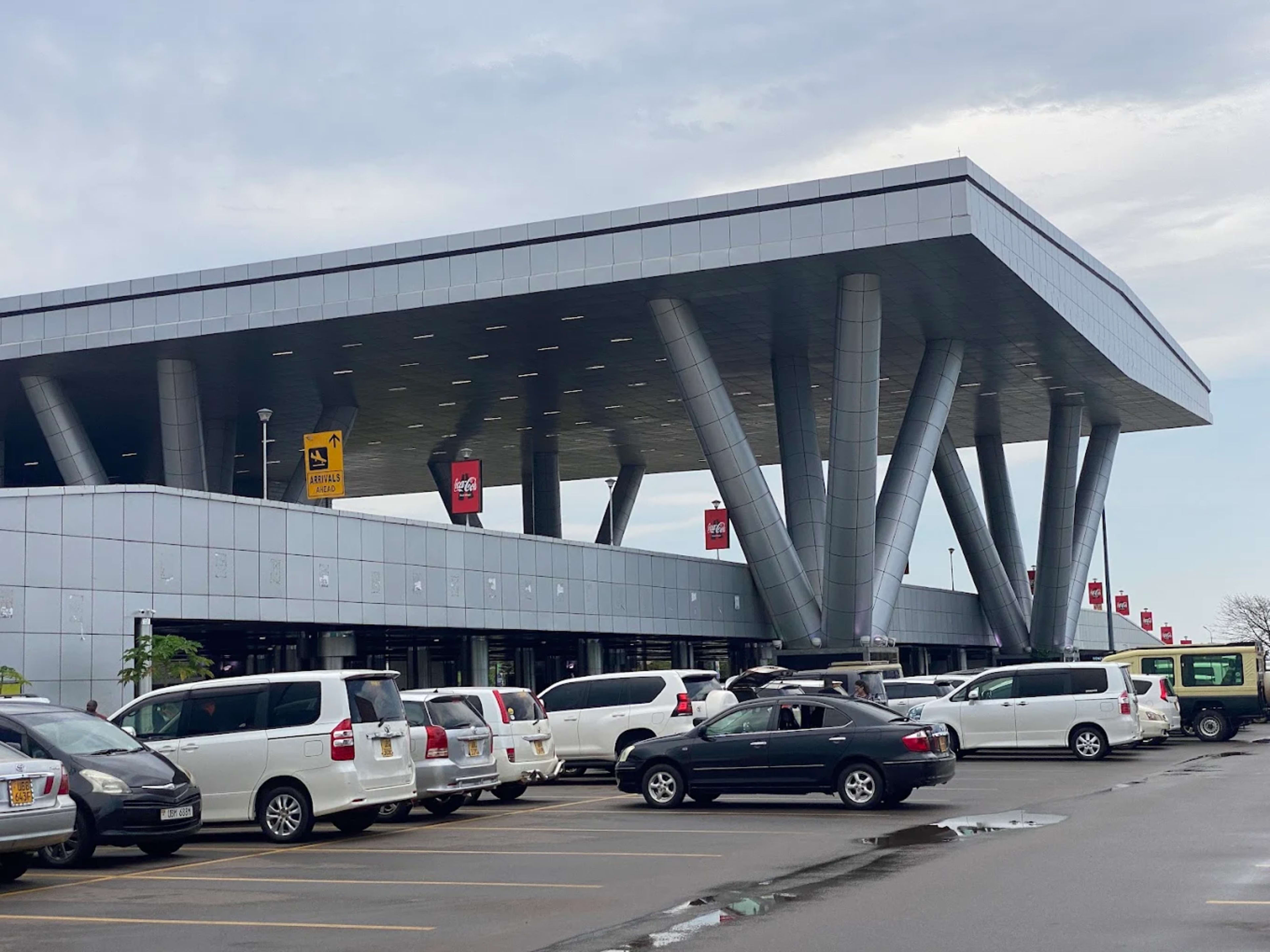
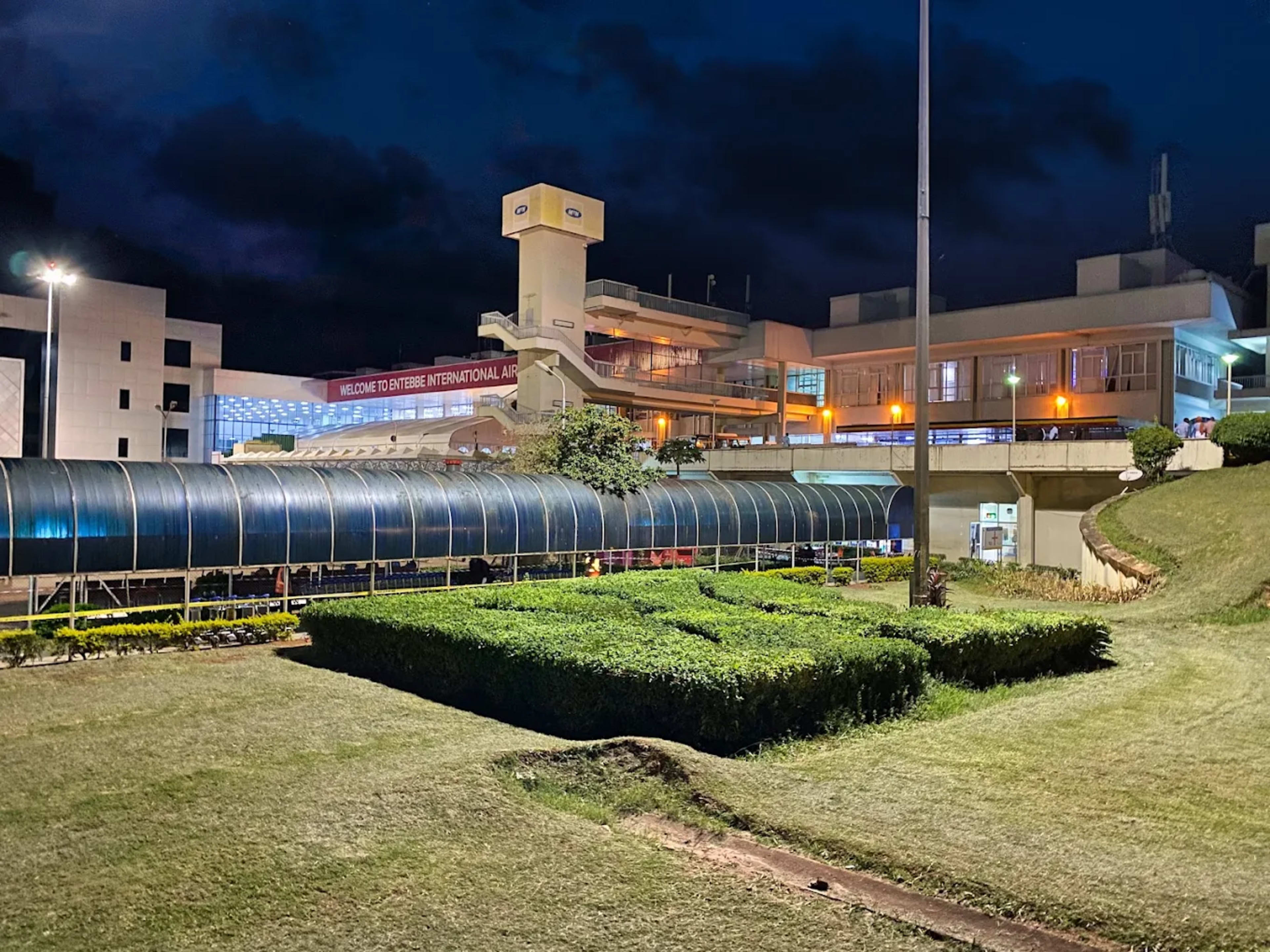
Kampala, Uganda's capital, is built across a series of hills and is the starting point for most Uganda safaris. Entebbe, around 40 kilometres south on the shores of Lake Victoria, is home to Entebbe International Airport and the Entebbe Botanical Gardens, which date back to 1898 and once hosted early trials of rubber and cocoa planting for the region. Together, the two towns are where almost every Uganda itinerary begins and ends. Kampala is a busy, youthful city of markets, boda-boda motorbike taxis, street food and live music, and it repays at least a day of exploring. Cultural landmarks include the Kasubi Tombs, the burial ground of the Buganda kings and a UNESCO World Heritage Site, the Uganda Museum with its collection of traditional instruments and crafts, the Kabaka's palace at Mengo, and the Namugongo Martyrs Shrine, which commemorates the Christian converts executed in the 1880s and draws pilgrims from across Africa every June. Entebbe is calmer and greener. Its lakeshore, botanical gardens and the Uganda Wildlife Education Centre make it a gentle first or last stop, and it is the departure point for boat trips on Lake Victoria, Africa's largest lake by area, including visits to Ngamba Island Chimpanzee Sanctuary and the Mabamba Swamp, one of the most reliable places in the country to look for the shoebill stork.
Jinja and the Source of the Nile
Jinja sits where the Nile River begins its journey from Lake Victoria, historically identified as the river's source by the explorer John Hanning Speke in 1862. The town has since become East Africa's adventure sports hub, with the Nile's grade 3 to 5 rapids drawing rafters from across the region, and the completion of the Isimba and Nalubaale dams has since calmed some of the river's original rapids while leaving others intact further downstream. Beyond the adrenaline, Jinja is an easy, relaxed town. Its colonial-era streets hold markets, craft shops and small cafes, and the Nile itself is the main attraction for those who simply want to be near water: sunset boat trips, riverside lodges, and slow cycling tours through villages and sugarcane and tea fields all take the pace down a notch. The river is also a draw for birders, who find kingfishers, fish eagles, herons and a range of waterbirds along the banks, and for travellers who want a half-day activity rather than a full adventure schedule. Many visitors pair a Jinja visit with a safari because it breaks up the road to or from the western parks.
Lake Mburo National Park
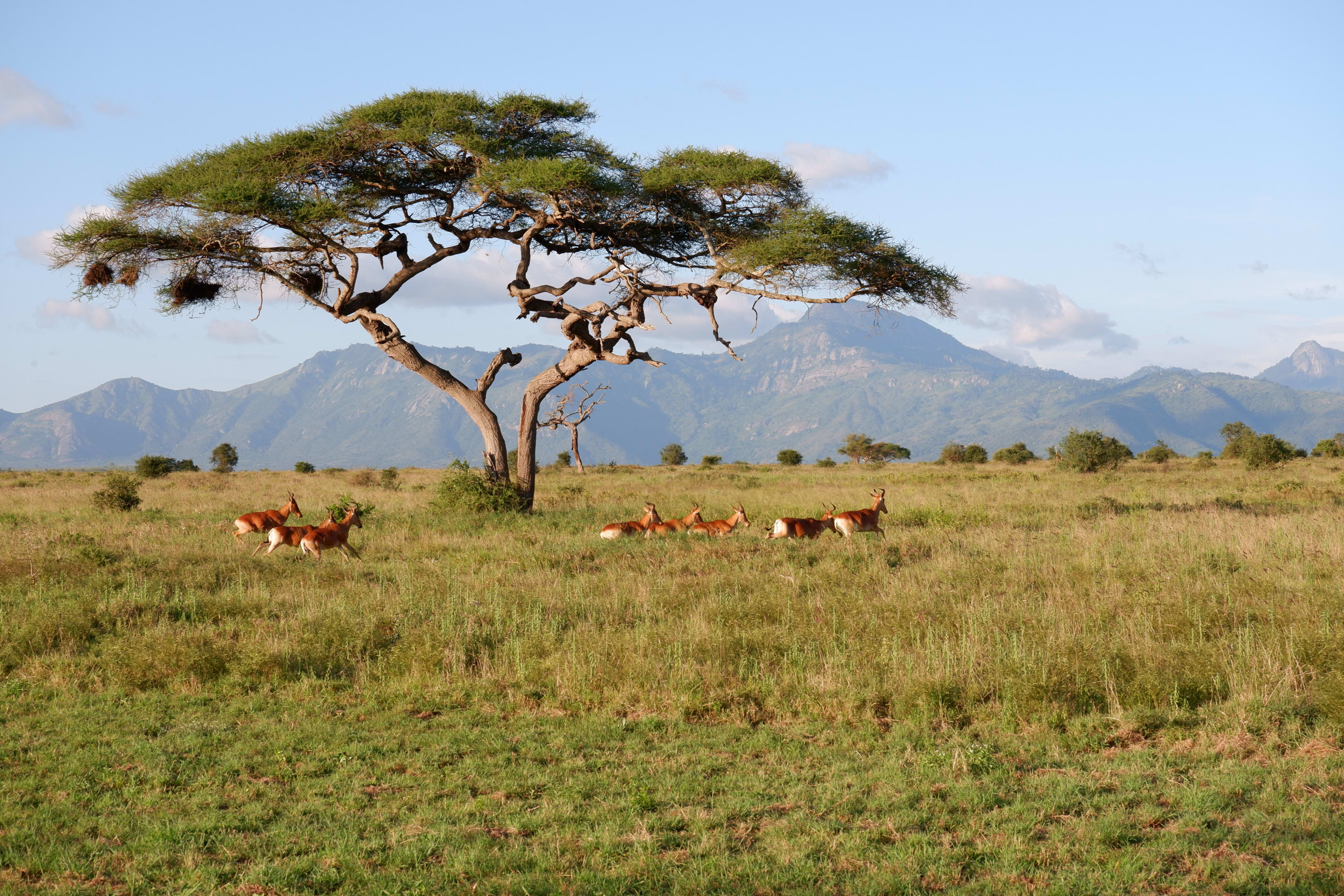
Lake Mburo is Uganda's smallest savannah national park, at around 370 square kilometres, and the closest to Kampala. It is one of the few Uganda parks with plains zebra, and it is the only place in the country where you can see eland and impala in good numbers alongside topi, waterbuck, buffalo and giraffe. The park takes in five lakes in total, along with the acacia woodland and rolling grassland typical of the wider Ankole cattle-keeping region it sits within. The park's low predator density, with few or no lions and a small population of leopards, is what makes it one of the few Uganda parks where guided walking, cycling and horseback safaris are offered alongside conventional game drives. Walking among zebra and antelope with a ranger gives a very different sense of scale and detail from a vehicle, and it is easily the most intimate safari experience available this close to the capital. Birders also rate Lake Mburo highly. The acacia belt holds species that are hard to find elsewhere in Uganda, including the red-faced barbet and the African grey hornbill, and the wetlands attract papyrus specialists, with the shoebill occasionally recorded in the swamps. A boat trip on the lake adds hippos, crocodiles, fish eagles and several kingfisher species.
Queen Elizabeth National Park
One of Uganda's most visited parks, straddling the equator in the west of the country and covering roughly 1,978 square kilometres of the Western Rift Valley. Queen Elizabeth is best known for the Kazinga Channel boat cruise, which draws large concentrations of hippos, buffalo and elephants, and for the tree-climbing lions of the Ishasha sector. The park records around 95 mammal species and over 600 bird species, one of the highest counts of any East African park, across a landscape of savannah, forest, swamp and more than 50 volcanic crater lakes. The Kazinga Channel is a natural waterway of roughly 32 kilometres linking Lake George and Lake Edward. A two-hour launch cruise along its banks puts you at eye level with hippo pods, buffalo herds, elephants coming down to drink, nile crocodiles and a long list of waterbirds, and it is one of the most reliable wildlife experiences in the country. The park also protects very different habitats. The Kyambura Gorge, a forested chasm on the eastern side, is home to a habituated chimpanzee community that can be tracked on foot. The Maramagambo Forest to the south holds bat caves and a crater lake. In the far south, the Ishasha sector's fig trees are where lions are most often seen resting in the branches, a behaviour found at only a few places in Africa.
Bwindi Impenetrable National Park
A UNESCO World Heritage Site and one of the last strongholds of the mountain gorilla, home to roughly half the world's remaining population. One of Africa's most biodiverse forests, Bwindi's name, meaning "impenetrable" in the local Rukiga language, comes from the dense, ancient rainforest that has stood largely undisturbed for tens of thousands of years. It is divided into four trekking sectors: Buhoma, Ruhija, Rushaga and Nkuringo, each with its own habituated gorilla families and its own access road. The park covers around 321 square kilometres of steep, forested hills between roughly 1,160 and 2,600 metres above sea level. Beyond gorillas, it protects more than 120 mammal species, including chimpanzees, forest elephants and several monkey species, and more than 350 bird species, among them numerous Albertine Rift endemics that birders travel specifically to see. A gorilla trek is a full-day, deeply memorable experience. After a briefing at the trailhead, a ranger team leads your group into the forest to find the gorilla family they tracked that morning, and once found, you spend one hour in the company of the gorillas. The Batwa, the forest's original inhabitants, can be visited on a cultural walk that shares their history and skills, and local community projects around the park are supported by tourism income.
Mgahinga Gorilla National Park
Uganda's smallest national park, at just 33.7 square kilometres, part of the Virunga Conservation Area shared with Rwanda and the Democratic Republic of Congo. Mgahinga is home to golden monkeys, a single habituated gorilla family, and three extinct volcanoes, Sabinyo, Gahinga and Muhabura, that mark the point where Uganda, Rwanda and the DRC meet. The park's landscape is distinct from Bwindi. Instead of a deep, tangled rainforest, Mgahinga rises through bamboo forest and montane woodland to afro-alpine moorland on the volcano summits, and the views across the Virunga range are some of the most dramatic in East Africa. Muhabura, at around 4,127 metres, is the highest of the three Ugandan volcanoes and can be climbed in a long day. The Batwa Trail is one of the most distinctive cultural experiences in Uganda. Led by Batwa guides who once lived in this forest, the walk shares traditional hunting techniques, medicinal plants and stories, and ends with a visit to the Garama Cave, once a gathering place for Batwa elders and storytellers. Golden monkeys, a rare species found only in the Virunga region, can be tracked in the bamboo forest, and are active, photogenic and easier to reach than gorillas.
Lake Bunyonyi and Kabale
Lake Bunyonyi, near the town of Kabale in southwestern Uganda, is one of the deepest lakes in the country and is dotted with around 29 small islands. Free of bilharzia and crocodiles, it sits at roughly 1,950 metres above sea level, giving it a cooler climate than the surrounding lowlands, and is a popular place to relax between gorilla trekking days. The name Bunyonyi translates roughly as the place of little birds, and the lake lives up to it, with kingfishers, herons, cormorants and weavers all easy to spot from a canoe or a lodge terrace. The hillsides around the lake are terraced with crops, and small villages cluster along the shoreline, giving the landscape a lived-in, pastoral feel quite unlike the national parks. Islands on the lake carry local stories. Akampene, known as Punishment Island, was historically where unmarried girls who became pregnant were left, and the story is told by local guides as part of boat tours. Other islands hold lodges, community projects and simple camps, and the lake is a good place to spend a day or two doing very little after the effort of a gorilla trek.
Kibale National Park
Known as the primate capital of the world, Kibale protects 13 primate species, more than any other East African park, including the largest chimpanzee population in Uganda at an estimated 1,450 individuals. Alongside around 70 other mammal species, the forest holds red colobus, L'Hoest's monkeys and the Uganda mangabey, a species first described from this very forest. Chimpanzee tracking in Kibale starts early in the morning at the Kanyanchu visitor centre, where a ranger briefs the group before heading into the forest. Once the chimps are found, you spend an hour with them, watching them feed, groom and travel, often with a lot of noise and movement. The habituation experience extends the time with the chimps to a full day, following them from the moment they leave their night nests. Outside the park boundary, the Bigodi Wetland Sanctuary is a community-run reserve where trained local guides lead walks on a boardwalk through papyrus and forest. It is a rewarding stop for birders and for anyone interested in how tourism income supports nearby villages, and it adds monkeys, butterflies and a long list of birds to a Kibale visit.
Rwenzori Mountains
Nicknamed the Mountains of the Moon, the Rwenzori range is Africa's tallest mountain range rather than a single volcanic peak. Margherita Peak, its highest point on Mount Stanley, sits at 5,109 metres, Uganda's highest point and Africa's third-highest after Kilimanjaro and Mount Kenya. The range's glaciers are receding as the climate warms. The Rwenzori Mountains National Park is a UNESCO World Heritage Site, protecting a landscape that changes dramatically with altitude. Trekkers move through lowland farmland and montane forest, then bamboo, then heath with giant heather, and finally an afro-alpine zone where giant lobelias and groundsels grow to the size of small trees, in a world of mist, moss and alpine lakes. A trek in the Rwenzoris is a very different experience from hiking Kilimanjaro. The trails are wetter, muddier and less crowded, the huts are simple, and the scenery is wild and remote. Many travellers choose shorter hikes of one to four days that reach the beautiful Mubuku Valley and its lakes without attempting the summit, which requires technical glacier gear and experience.
Murchison Falls National Park
Uganda's largest national park at roughly 3,840 square kilometres, named for the point where the Nile, already 100 to 120 metres wide, is forced through a gap in the rock just 7 metres across before plunging about 43 metres over Murchison Falls. The park spans savannah on the northern bank and forest on the southern bank of the Nile, with the river itself splitting it into two very different halves. The boat cruise from Paraa to the base of the falls is the park's signature experience. The launch passes hippos, crocodiles, elephants, buffalo and a rich diversity of birds, and the delta area near Lake Albert is one of the best places in Uganda to look for the shoebill stork. On the northern bank, game drives cover open savannah where lions, giraffes, elephants, buffalo, hartebeest and Uganda kob are regularly seen, along with leopards for those who are lucky. Adjoining the park, the Budongo Forest Reserve holds a large chimpanzee population that can be tracked on foot, and the Kaniyo Pabidi section offers forest walks and birding. The combination of river, savannah and forest makes Murchison one of the most varied safari destinations in the country.